
Infrastructure-Agnostic Deployments That Deliver
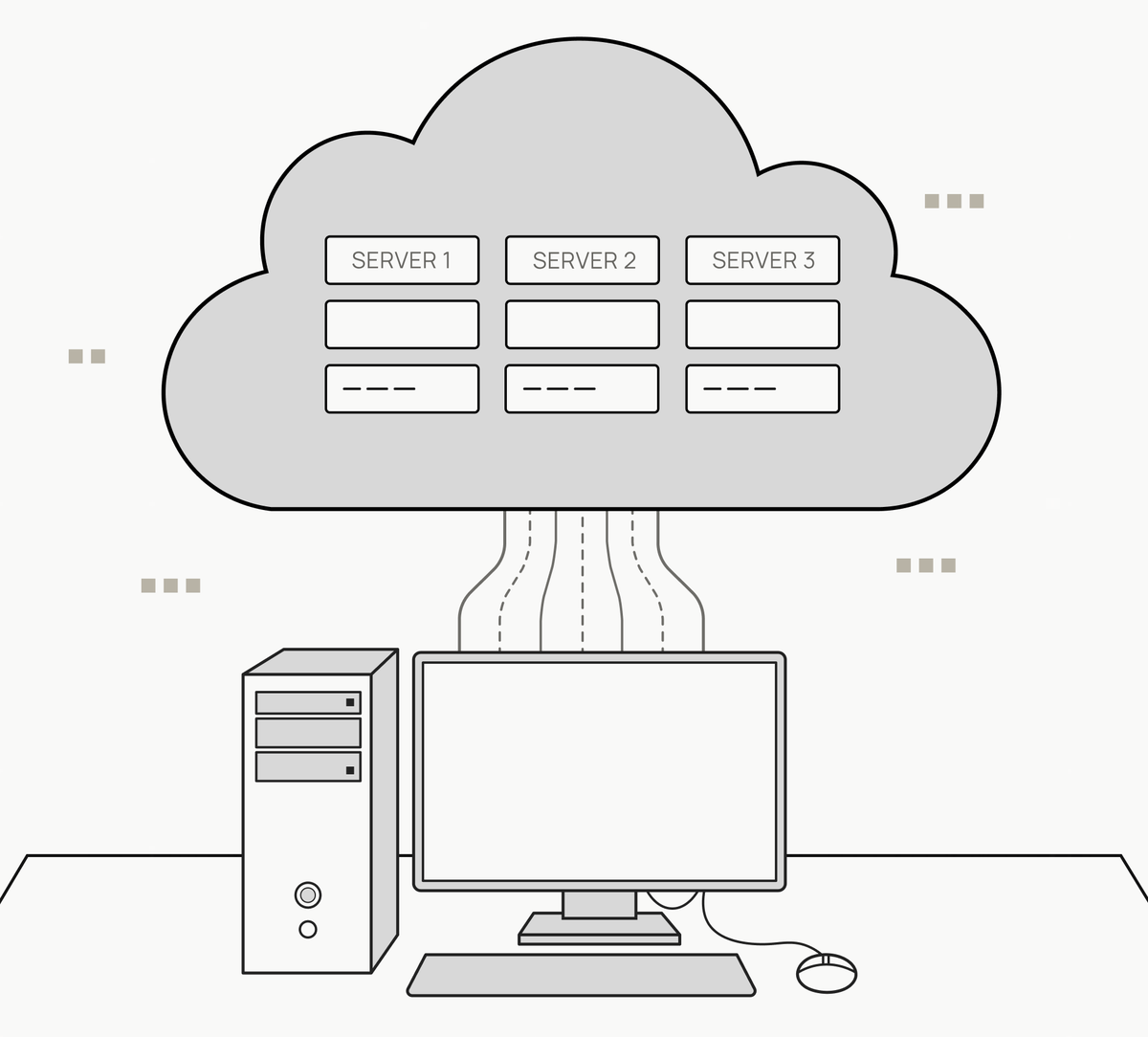
On-prem, private cloud, or hybrid while preserving performance and governance.
The Freedom to Choose Without Compromise
Modern teams are no longer defined by a single infrastructure. What truly matters today isn’t where workloads run—it’s how consistently they perform, how well they’re governed, and how easily they can scale. The new generation of infrastructure-agnostic deployments has redefined flexibility: run anywhere, behave the same everywhere.
Understanding the Landscape: On-Prem, Private Cloud and Hybrid
Before discussing what it means to be infrastructure-agnostic, it’s worth understanding the terrain we’re abstracting from.
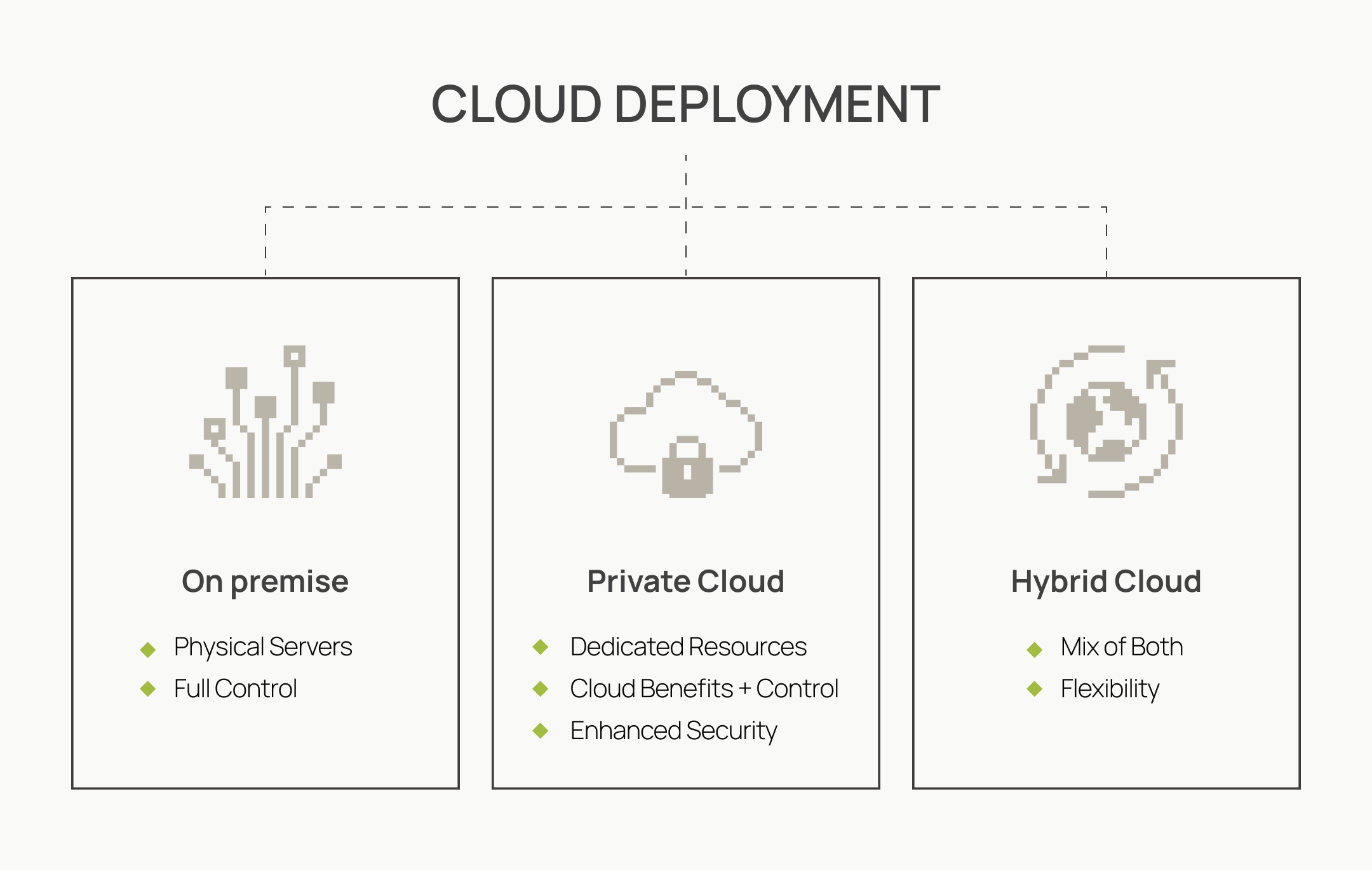
On-premises deployments represent the oldest and most controlled model. Every element—from the hardware to the hypervisor—is owned and managed by the organization itself. The advantage lies in absolute governance and predictable latency, since data never leaves the internal network. Yet this control comes with trade-offs: hardware refresh cycles, capital expenditure, and slower elasticity. Scaling means purchasing, installing, and maintaining more metal.
The private cloud, on the other hand, introduces abstraction and elasticity without relinquishing sovereignty. Whether hosted internally or by a trusted provider, it offers automated provisioning, programmable infrastructure, and centralized identity management. Teams gain speed and flexibility, but often at the cost of deeper visibility into the underlying hardware. Governance is strong but slightly mediated—secured by APIs rather than physical walls.
Between these two extremes lies the hybrid model, a pragmatic synthesis where workloads shift between local and cloud environments depending on compliance, cost, or performance requirements. Hybrid systems excel in adaptability: an application might store sensitive data on-prem while running compute-intensive analytics in the cloud. The complexity here is not architectural but operational—ensuring consistent security policies, monitoring, and versioning across boundaries. Without a unifying orchestration layer, hybrid can quickly become “half-managed everywhere.”
Bridging Governance and Performance
A common misconception is that flexibility leads to loss of control. In reality, when architectures are designed with abstraction layers for identity, observability, and resource orchestration, governance becomes portable too.
Underneath, the key is policy federation — centralized control with distributed enforcement. This ensures compliance frameworks (ISO 27001, ENS, SOC2) remain intact regardless of environment.
Latency Isn’t the Enemy but Fragmentation Is
Many hybrid architectures suffer not from latency but from architectural drift: different configurations, inconsistent versions, manual provisioning.
The solution is to treat infrastructure as code-first, leveraging reproducible templates and declarative pipelines that enforce identical baselines across environments. When the deployment process itself is versioned, governance becomes auditable.
Conclusion
Infrastructure agnosticism isn’t about being everywhere; it’s about being identical everywhere.
Whether workloads reside on-prem, in a private cloud, or across a hybrid mesh, the goal remains the same: predictable behavior, unified governance, and effortless portability. When control, compliance, and speed coexist, deployment choices stop being technical constraints and become strategic ones.